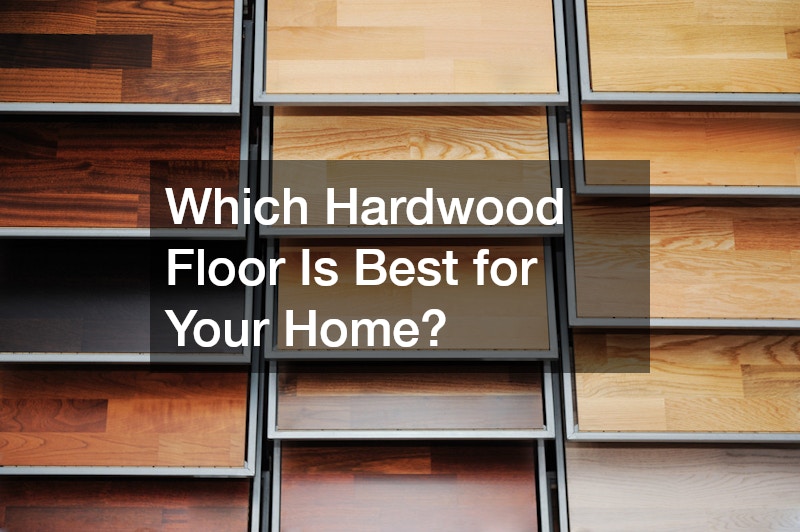

Choosing the right hardwood floor can transform your home’s appearance, comfort, and value. With a wide range of options available—from traditional solid hardwood to engineered solutions and high-quality laminates—selecting the best flooring depends on your lifestyle, room requirements, and budget. This article explores the characteristics of each type of hardwood, the factors to consider, and guidance on suitability for different spaces.
Understanding the Different Types of Hardwood
Solid hardwood consists of a single piece of wood milled from hardwood species such as oak, maple, and hickory. This type of flooring is prized for its durability, natural beauty, and the ability to be sanded and refinished multiple times over its lifespan. Oak, both red and white, remains a popular choice for its strength and versatile grain pattern, while maple offers a lighter, contemporary look. Hickory provides a rustic appearance with contrasting tones and exceptional hardness, making it ideal for high-traffic areas. Solid hardwood floors add long-term value to a home but are best installed in areas with stable humidity and temperature, as they can expand or contract with moisture fluctuations.
Engineered hardwood is constructed from multiple layers of plywood or high-density fiberboard topped with a veneer of real hardwood. This layered structure provides greater stability and resistance to changes in humidity and temperature compared to solid hardwood. Engineered hardwood allows for a wider range of installation options, including floating, glue-down, or nail-down methods, and it can be installed over concrete or radiant heating systems. Species and finishes mirror those of solid hardwood, offering flexibility in design without compromising performance. While it can be sanded and refinished, the number of refinishes is limited by the thickness of the hardwood veneer.
Laminate flooring is a cost-effective alternative to real wood, consisting of a photographic layer that mimics hardwood on top of a high-density core with a protective wear layer. While it doesn’t offer the same warmth or natural texture as genuine hardwood, laminate is highly resistant to scratches, dents, and fading, making it a practical choice for homes with pets or heavy foot traffic. It is also easier to install, often featuring click-lock planks for DIY-friendly floating floors. Though laminate cannot be refinished, its durability and affordability make it a viable option for rooms where aesthetics are less critical.
Factors to Consider When Choosing Hardwood Floors
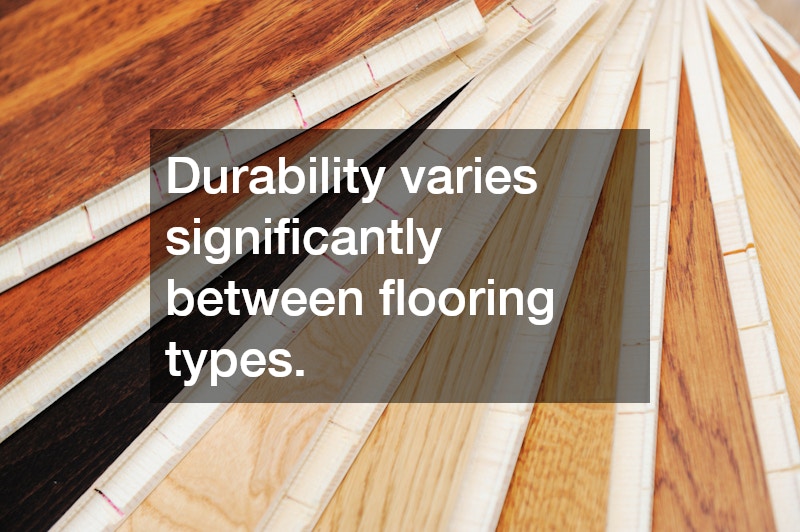
Durability varies significantly between flooring types. Solid hardwood can last a lifetime when properly maintained and can withstand repeated sanding and refinishing. Engineered hardwood offers excellent durability, especially in areas where moisture levels fluctuate, but its lifespan depends on the veneer thickness. Laminate is highly durable against surface wear but cannot be refinished, meaning any significant damage requires replacement. When selecting flooring, consider the activity level in each room and the potential for scratches, dents, or moisture exposure.
Maintenance requirements differ based on flooring type. Solid and engineered hardwoods benefit from regular sweeping, occasional damp mopping, and preventive measures like furniture pads and area rugs to minimize scratches. Engineered hardwood’s stability makes it easier to maintain in kitchens or basements. Laminate requires minimal care and is less sensitive to moisture, but standing water should still be avoided to prevent swelling. Choosing the right cleaning routine can extend the lifespan and preserve the appearance of your floors.
Suitability for Different Rooms and Environments
Kitchens, bathrooms, and basements present unique challenges for hardwood. Solid hardwood is less suitable for these spaces due to its tendency to expand and contract with moisture. Engineered hardwood, with its multi-layer construction, is a better option for moisture-prone areas, particularly when paired with proper underlayment and acclimation. Laminate can also be used, provided it is water-resistant or waterproof, but it may lack the natural look of genuine wood.
Living rooms and dining areas are ideal for showcasing the beauty of hardwood. Solid hardwood shines in these spaces due to its warmth, richness, and ability to be refinished over time. Engineered hardwood is also a strong choice, providing stability in areas where sunlight or seasonal humidity might otherwise cause solid hardwood to warp. Consider finishes and species that complement your décor while withstanding the daily wear typical of social spaces.
In bedrooms, comfort and acoustics are important. Engineered hardwood and solid hardwood both provide a warm, inviting feel underfoot. For quieter spaces, consider engineered options with an additional underlayment to reduce sound transmission. Laminate can be used as well, but it may feel less natural. Lighter-colored woods can brighten rooms and create a serene environment, while darker tones add richness and elegance.
Selecting the best hardwood floor for your home involves balancing aesthetics, durability, cost, and room-specific requirements. Solid hardwood offers unmatched longevity and traditional beauty, engineered hardwood provides stability and design flexibility, and laminate delivers affordability with durability. By understanding the differences between these options and considering the specific needs of each space, homeowners can make informed choices that enhance both the comfort and value of their home. Thoughtful selection ensures that your flooring not only meets practical needs but also elevates your home’s overall style for years to come.