
The modern home is often viewed as a sanctuary—a safe haven from the pollution, weather, and stressors of the outside world. However, beneath the surface of clean countertops and freshly vacuumed carpets, an invisible battlefield exists. Homes can silently harbor a wide array of biological hazards, including toxic black mold, airborne viruses, volatile organic compounds from biological sources, and allergen-dense pest dander. When home maintenance is deferred, the structural elements of a house begin to degrade, creating microscopic environments where these pathogens thrive.
Biological contaminants do not simply appear overnight; they are the direct result of moisture accumulation, stagnant air, and compromised structural barriers. When a roof leaks, a pipe drips, or a foundation cracks, it introduces water into dark, unventilated spaces, providing the exact catalyst required for mold spores and bacteria to colonize. Once established, these pathogens utilize the home’s forced-air systems to travel into living rooms, kitchens, and bedrooms, posing significant risks to respiratory health and overall well-being.
Preventing these hazards requires moving beyond cosmetic cleaning and adopting a proactive, top-to-bottom structural maintenance strategy. By understanding how the interconnected systems of a home regulate moisture and airflow, homeowners can fortify their living spaces against biological threats. This comprehensive guide outlines the critical maintenance steps required to eliminate the root causes of household pathogens, ensuring a genuinely healthy indoor environment.
Inspect Shingles and Seal Trusses Annually to Block Water Intrusion
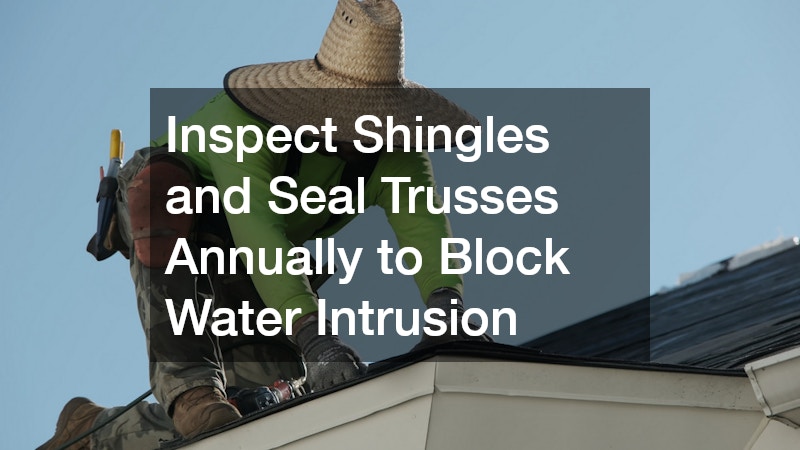
The topmost barrier of a home bears the brunt of environmental elements, making it the primary line of defense against water-borne pathogens. When a roof’s integrity fails, rainwater penetrates the outer envelope, seeping directly into the attic structure. Because attics are typically dark, warm, and poorly monitored, even a minor leak can trigger a massive outbreak of wood-decaying fungi and toxic mold within twenty-four to forty-eight hours. These spores eventually drift downward into the living spaces below, degrading indoor air quality.
Maintaining a pathogen-free attic requires a rigorous, bi-annual inspection routine. Homeowners should look for the following red flags:
- Missing, cracked, curling, or buckled shingles on the roof exterior.
- Discoloration, dark water stains, or white efflorescence along the attic rafters, trusses, and roof decking.
- Damp, matted, or discolored insulation, which indicates active or historic water penetration.
- Blocked soffit vents, ridge vents, or gable baffles that restrict airflow and cause condensation buildup.
To prevent these issues from escalating, clear out gutters and downspouts at least twice a year to ensure rainwater sheds completely away from the roofline. If an inspection reveals widespread damage, structural sagging, or a history of persistent leaks, it is wise to enlist professional roofing services to repair the underlayment and flashing before moisture can compromise the interior framing.
In cases where water intrusion went unnoticed for months, the resulting fungal growth can become too extensive for simple topical scrubbing. When mold penetrates deeply into porous plywood and structural beams, hiring a company that specializes in attic mold remediation becomes essential. These professionals use specialized negative-pressure containment zones, HEPA vacuums, and antimicrobial encapsulates to safely eradicate hazardous spores without allowing them to drift into the home’s ventilation system.
Reseal Exterior Gaps and Upgrade Barriers to Repel Pests and Humidity
A home’s exterior cladding and fenestrations act as a protective skin. When gaps, cracks, or rot develop in this skin, they create pathways for both liquid moisture and biological vectors. Pests such as rodents, cockroaches, and dust mites are drawn to these openings, bringing with them dangerous bacteria, viruses, and potent allergens. Furthermore, driving rain and high ambient humidity can penetrate compromised walls, leading to hidden mold colonies behind drywall and inside insulation cavities.
Protecting the perimeter of your home involves meticulous sealing and material maintenance. Implement the following actionable strategies to secure the exterior envelope:
- Inspect all exterior caulking around the perimeters of windows and doors, removing any peeling, cracked, or brittle sealant and replacing it with a high-grade, UV-resistant silicone or polyurethane caulk.
- Examine the exterior walls for warped, loose, or cracked panels, and ensure that the vapor barrier beneath the cladding remains intact and dry.
- Maintain a minimum two-foot clearance between exterior walls and any landscaping, bushes, or tree branches to prevent moisture retention and stop pests from bridging onto the house.
- Check that all window screens are free of tears and that weatherstripping creates a completely airtight seal when windows are fully closed.
When siding is neglected, moisture can become trapped permanently against the wooden studs, leading to structural rot and systemic mold. Consulting with certified siding companies can help ensure that the exterior materials are properly flashed, back-ventilated, and shedding water as designed.
Similarly, older or poorly installed windows are notorious for accumulating condensation along the interior glass and sills, which quickly turns into a breeding ground for black mold. Partnering with experienced window contractors allows homeowners to upgrade to double- or triple-pane units with low-emissivity coatings and thermal breaks, permanently eliminating the cold surfaces where airborne moisture condenses into pathogen-fueling water droplets.
Balance Indoor Humidity and Thermal Consistency to Prevent Condensation
Controlling the internal climate of a home is just as critical as sealing its exterior. Pathogens, particularly mold and dust mites, depend entirely on ambient moisture to survive and reproduce. When indoor relative humidity climbs above sixty percent, or when sharp temperature differentials exist between different parts of a room, condensation forms on drywall, ceilings, and baseboards. These damp surfaces provide the perfect substrate for biological growth, even in the absence of an active plumbing or roof leak.
To successfully manage indoor humidity and maintain stable thermal boundaries, homeowners should implement the following maintenance habits:
- Monitor indoor relative humidity using digital hygrometers placed in high-risk areas like kitchens, bathrooms, and basements, aiming to keep levels consistently between thirty and fifty percent.
- Utilize localized exhaust fans in the kitchen while cooking and in the bathroom during and after showers, leaving them running for at least twenty minutes to completely evacuate steam.
- Routinely check the depth, distribution, and condition of your attic floor insulation to ensure there are no bare spots or compressed areas creating cold thermal bridges on the ceilings below.
- Replace forced-air system filters every sixty to ninety days, opting for filters with a Minimum Efficiency Reporting Value of eleven or higher to capture fine biological particulates.
When thermal boundaries are insufficient, warm, moist indoor air hits cold, uninsulated drywall surfaces, creating a recurring moisture problem that no amount of cleaning can solve. Working with professional insulation contractors to blow in extra cellulose or install spray foam can eliminate these cold spots, stabilizing surface temperatures throughout the year.
Additionally, ensuring that your heating and cooling equipment is sized correctly and running efficiently is paramount for climate control. Scheduling seasonal maintenance with local HVAC services guarantees that the cooling system is effectively pulling moisture out of the air during hot humid months, keeping the indoor environment dry enough to suppress pathogen replication.
Sanitize Internal Microclimates to Stop Airborne Contaminant Circulation
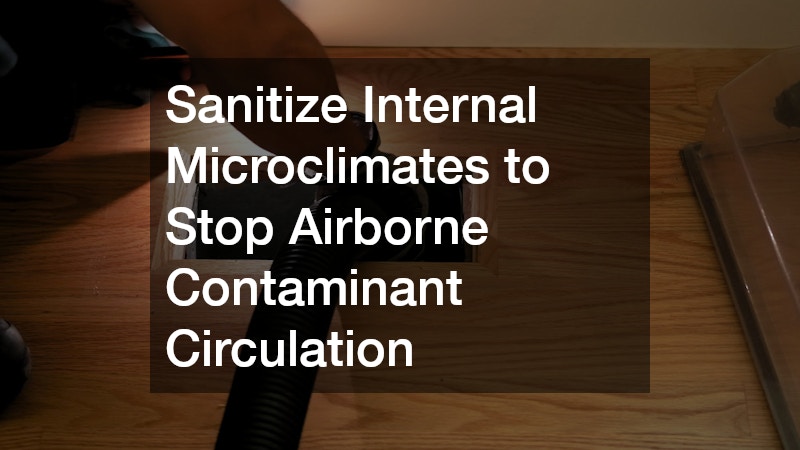
While air filters catch a significant portion of floating debris, the internal network of ducts that distributes conditioned air throughout a home can become an incubator for biological threats over time. Dust, pet dander, dead skin cells, and pollen pass through the system and settle inside the ductwork. If this organic debris is combined with high humidity or a minor air conditioning condensation leak, the dark interior of the air ducts turns into a massive breeding ground for airborne pathogens.
Every time the heating or cooling system engages, millions of microscopic spores and bacteria can be blasted out of the supply registers and into the breathing zone of the household. To mitigate this risk, keep up with these targeted cleaning and inspection duties:
- Remove floor, wall, and ceiling supply registers annually to vacuum out visible dust accumulation and wipe down the metal grates with a mild dish soap solution.
- Inspect the visible joints of metal or flexible ductwork in unconditioned spaces like crawlspaces or attics, ensuring they are tightly wrapped with mastic sealant or foil tape to prevent drawing in contaminated air.
- Pay close attention to any sour, musty, or stale odors emanating from the vents when the system fan turns on, as this is a primary indicator of active biological growth inside the air handler or trunk lines.
Standard household vacuums and dusters are completely inadequate for addressing contamination that sits deep within dozens of feet of winding ductwork. For a thorough remediation, scheduling a professional duct cleaning service is highly recommended. These specialists utilize truck-mounted negative-pressure vacuums, mechanical brushes, and food-grade antimicrobial fogs to safely scour the entire internal surface area of the ventilation system, removing the organic food sources that pathogens rely on.
Maintain Free-Flowing Drains and Eliminate Hidden Pipe Leaks
The plumbing system represents a continuous loop of water delivery and waste removal that runs through nearly every wall of a home. Because wastewater contains organic matter, soap scum, and hair, the interior of drain pipes naturally forms a sticky layer known as biofilm. If drains are neglected and become sluggish, this biofilm grows thicker, providing a sanctuary for colonies of harmful bacteria, including species like Legionella, Salmonella, and E. coli. Furthermore, small, slow leaks from supply lines can drip undetected for months, fueling massive mold colonies inside enclosed wall cavities.
Preventative plumbing maintenance is essential for keeping these biological hazards at bay. Homeowners should incorporate these practices into their routine:
- Flush kitchen and bathroom drains weekly with boiling water or a natural mixture of baking soda and distilled white vinegar to break down organic buildup and disrupt biofilm formation.
- Regularly check under all sinks, behind toilets, and around the base of major appliances like washing machines and dishwashers for dampness, warping, or musty smells.
- Monitor your home’s main water pressure gauge; sudden drops in static pressure often indicate a hidden pinhole leak within the walls or under the floorboards.
- Clean and sanitize the drip pans located under refrigerators and air conditioning evaporators, as stagnant water in these pans quickly breeds bacteria.
When organic blockages become deep-seated, simple chemical pour-ins often fail to clear the problem and can damage the pipes. Booking a professional drain cleaning service ensures that high-pressure hydro-jetting or mechanical snakes are used to thoroughly scrape the pipe walls clean, completely removing the biological matrix where bacteria multiply.
For more complex issues, such as recurring water pressure drops or mysterious damp spots on drywall, partnering with a licensed plumbing contractor is crucial. These professionals can deploy specialized thermal imaging cameras and acoustic leak detectors to locate and repair hidden pipe failures before they cause extensive water damage and toxic mold outbreaks.
Direct Groundwater Away from the Foundation to Keep Below-Grade Spaces Bone Dry
Basements and crawlspaces are uniquely vulnerable to pathogen colonization due to their position below the ground level. The soil surrounding a home’s foundation is constantly absorbing rainwater and snowmelt, creating immense hydrostatic pressure. Concrete is a porous, sponge-like material; without proper management, groundwater seeps through the foundation walls and floors. This constant moisture ingress creates a chronically damp, humid environment that is perfect for the growth of stachybotrys chartarum, commonly known as toxic black mold.
Keeping a below-grade space dry requires strict attention to water diversion outside the home and structural sealing inside. Follow these steps to safeguard your foundation:
- Extend all gutter downspout extensions at least six to eight feet away from the foundation wall to prevent rainwater from pooling directly against the concrete.
- Inspect the soil grading around the perimeter of the house, ensuring that the ground slopes downward and away from the foundation at a rate of at least six inches over the first ten feet.
- Check basement walls for hairline cracks or signs of efflorescence, which is a white, powdery salt deposit left behind by migrating moisture, and seal minor cracks with a high-strength hydraulic cement.
- Run a heavy-duty, low-temperature dehumidifier continuously in the basement or crawlspace to keep the relative humidity below fifty-five percent.
If groundwater continues to weep through the walls despite proper grading and gutter maintenance, superficial sealants will not suffice. In these situations, bringing in a professional basement waterproofing company is the most effective recourse. These specialists can install comprehensive interior or exterior drainage networks, such as French drains, vapor barriers, and heavy-duty sump pump systems with battery backups. This completely stops the hydrostatic migration of water and ensures that below-grade spaces remain dry, clean, and incapable of supporting dangerous biological growth.
Protecting a home from dangerous pathogens requires a holistic approach that connects daily habits with structural upkeep. Mold, bacteria, and allergens are opportunistic threats that exploit physical vulnerabilities in a building’s design—whether through a torn shingle, a clogged drain, or an uninsulated attic wall. By implementing a systematic inspection and maintenance routine, you can intercept moisture and stagnant air before they give rise to harmful biological colonies. Maintaining a healthy home is a continuous process, but by taking a proactive stance on these critical mechanical and structural systems, you can ensure a clean, safe, and pathogen-free living environment for years to come.