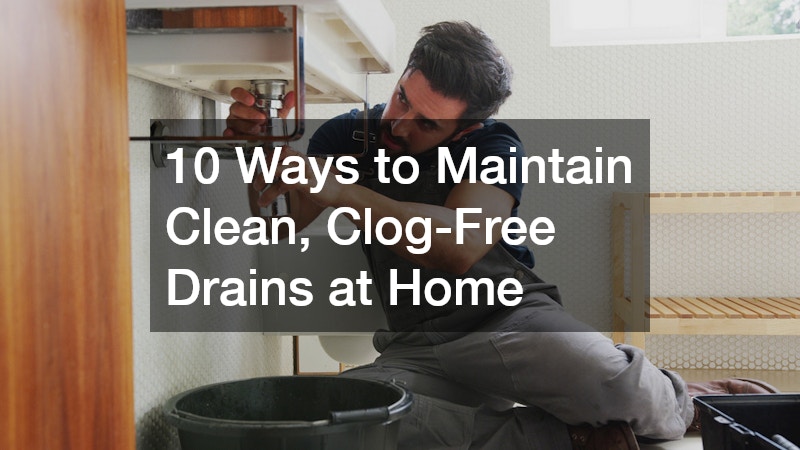

Clogged drains are one of the most common household plumbing problems—and one of the most frustrating. A slow-draining sink or backed-up shower can quickly turn everyday routines into a hassle. Worse, ignoring small drainage issues can eventually lead to bigger problems like water damage, unpleasant odors, or costly repairs.
The good news is that many drain problems are preventable. With a few simple habits and regular maintenance, homeowners can keep their plumbing systems working smoothly for years. From being mindful of what goes down the sink to scheduling occasional inspections, small steps can make a big difference in preventing clogs and keeping wastewater flowing properly.
In this guide, we’ll walk through ten practical ways to maintain clean, clog-free drains at home. These tips are easy to follow and can help you avoid many of the common causes of plumbing blockages.
1. Keep Drains Clean Regularly
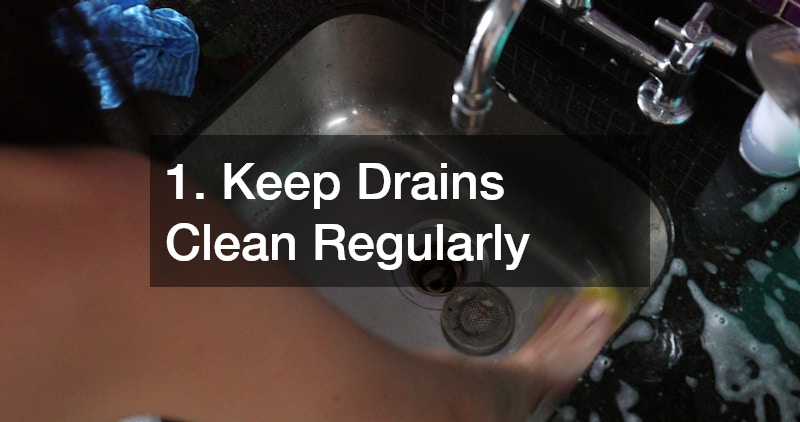
One of the simplest ways to prevent clogs is to clean your drains on a regular basis. Over time, substances like soap residue, hair, grease, and food particles can build up along the inside of pipes. Even if these materials don’t cause an immediate blockage, they gradually narrow the pipe and slow down the flow of water. What starts as a barely noticeable slowdown can eventually turn into a stubborn clog if the buildup continues to accumulate.
Establishing a routine for basic drain care can help prevent these buildups from becoming serious problems. Many homeowners overlook this type of maintenance because drains are out of sight, but occasional drain cleaning can make a big difference in keeping water moving smoothly through your plumbing. Simple weekly or monthly habits can keep pipes clear, reduce odors, and help you avoid unexpected backups.
Here are a few easy drain-maintenance practices homeowners can adopt:
-
Flush drains with hot water to dissolve soap residue and grease.
-
Use a mixture of baking soda and vinegar to break up mild buildup.
-
Run hot water for a minute after using the sink or disposal.
-
Remove and clean sink stoppers or strainers regularly.
-
Schedule a visit from a professional drain cleaner if you notice persistent slow drainage.
Kitchen and bathroom drains benefit the most from this type of routine care because they handle the highest volume of debris. Sinks often collect grease and food particles, while showers and bathroom drains accumulate soap and hair. With consistent maintenance and occasional help from a professional when needed, you can significantly reduce the chances of stubborn clogs forming deep inside your plumbing system.
2. Avoid Common Drain Blockers
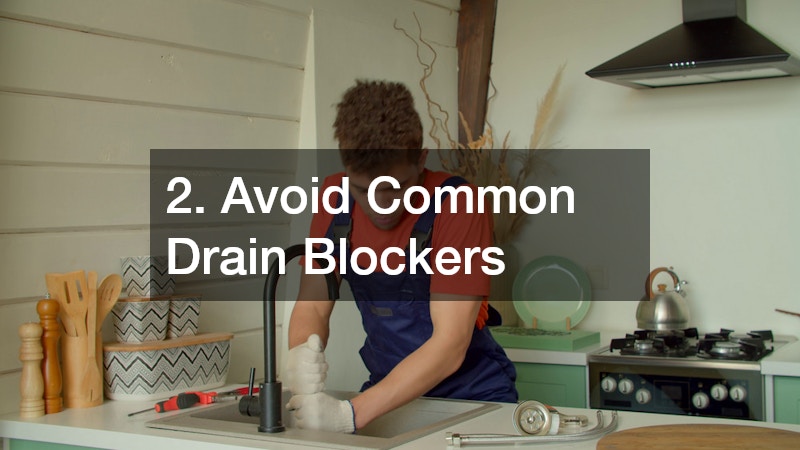
Many drain problems begin with everyday habits that seem harmless at first. Items that shouldn’t go down the drain often end up there accidentally or out of convenience. Unfortunately, these materials can accumulate inside pipes and create stubborn blockages that restrict water flow over time. Once debris begins sticking to the interior of pipes, it can trap additional particles and gradually form a clog, eventually leading to the need for unclogging drains when buildup becomes too severe to ignore.
Grease is one of the biggest offenders in kitchen sinks. When poured down the drain, grease may seem liquid at first, but it quickly cools and solidifies inside pipes. Over time, it sticks to the walls of the pipe and traps other debris passing through, including food scraps and soap residue. In homes that cook frequently, grease buildup can become a major contributor to slow drains and recurring clogs.
Homeowners should avoid putting the following materials down drains whenever possible:
-
Cooking grease or oil
-
Coffee grounds
-
Eggshells
-
Food scraps and fibrous vegetables
-
Paper towels or wipes
-
Hair and dental floss
Instead of rinsing grease down the sink, allow it to cool and dispose of it in the trash or a sealed container. In kitchens that produce a lot of grease, regular maintenance may even involve hiring a grease trap cleaning company to remove accumulated fats and oils from plumbing systems before they cause serious blockages.
Installing drain strainers can also help catch food scraps and hair before they enter the plumbing system. These inexpensive tools are easy to clean and act as the first line of defense against clogs. By being mindful about what goes down the drain and adopting a few simple habits, homeowners can significantly reduce the risk of buildup and keep their plumbing system running smoothly.
3. Inspect Sewer Lines Periodically
While most homeowners focus on the drains inside their homes, the pipes that carry wastewater away from the property are just as important. Sewer lines connect your household plumbing to the municipal sewer system or your septic tank, and any issues in these lines can quickly lead to backups inside the home. Even if your sinks and toilets seem to be functioning normally, small problems in the sewer line can quietly develop into major issues over time.
Because sewer lines are buried underground, problems often go unnoticed until they become serious. Slow drains in multiple fixtures, gurgling sounds in pipes, or recurring clogs can sometimes signal an issue deeper within the system. Even subtle odors near outdoor drains or in the yard can indicate a compromised line that requires attention. To stay ahead of these hidden problems, it’s a good idea to schedule a professional sewer line inspection periodically, especially for older homes or properties with trees nearby.
Regular inspections can help catch potential problems early. Professionals often use specialized cameras to examine the interior of pipes and identify issues such as:
-
Tree root intrusion
-
Pipe corrosion or cracking
-
Grease buildup
-
Misaligned pipe sections
Detecting these problems before they escalate can prevent costly repairs, water damage, and the inconvenience of sudden backups. Additionally, early detection ensures wastewater continues moving away from your home efficiently, keeping your plumbing system in top condition and your household running smoothly.
4. Maintain Your Septic System
Homes that rely on septic systems need regular maintenance to keep wastewater treatment functioning properly. Unlike municipal sewer systems, septic systems handle waste directly on the property, so neglecting maintenance can quickly lead to backups, unpleasant odors, and even contamination of your yard. A well-maintained septic system not only protects your home but also extends the life of the entire wastewater system.
A septic tank works by separating solid waste from liquid wastewater. Over time, solids accumulate at the bottom of the tank and need to be removed periodically. If the tank becomes too full, solids can flow into the drain field and cause serious damage that may require expensive repairs. For many homeowners, routine septic cleaning is a crucial step in preventing these problems and keeping the system running efficiently.
To keep your septic system in good condition, homeowners should:
-
Schedule regular pumping according to recommended timelines, often with a trusted septic system pumping company.
-
Avoid flushing non-biodegradable materials, such as wipes or feminine hygiene products, which can clog the system.
-
Limit the use of harsh chemicals that disrupt the beneficial bacteria necessary for breaking down waste.
-
Monitor for signs of trouble, such as soggy areas in the yard, slow drains, or strong odors near the tank or drain field.
Consistent maintenance ensures the system continues to process waste efficiently, prevents backups, and protects the drain field from damage. By following these guidelines and enlisting professional services when needed, homeowners can avoid costly repairs and maintain a healthy, fully functioning septic system.
5. Check and Repair Water Lines
Although water supply lines bring clean water into your home rather than carrying waste away, they still play a crucial role in the overall health of your plumbing system. If these lines are damaged or leaking, water pressure can drop, which affects how effectively drains flush debris through the pipes. Even small leaks or slow drips can reduce the efficiency of sinks, showers, and appliances over time, making your plumbing more prone to clogs and other issues.
Low water pressure can make it harder for water to carry waste away from your drains, allowing small particles to settle in the pipes. Over time, this buildup can contribute to slow drainage or partial blockages. By addressing water line issues early, you not only maintain good water flow but also help prevent larger plumbing problems down the line. Professional water line repairs may be necessary if leaks are hidden or if pipes are old and corroded.
Homeowners should keep an eye out for common warning signs of water line problems:
-
Sudden drops in water pressure throughout the home
-
Unexplained wet spots or puddles in the yard
-
Increased water bills without a clear cause
-
Discolored or cloudy water coming from faucets
Promptly addressing these signs can prevent minor leaks from turning into major damage. Regular inspections and timely repairs help ensure that water flows at the proper pressure throughout your plumbing system, keeping both your drains and water supply functioning efficiently.
6. Spread Out Water Usage
It may seem harmless to run the washing machine, dishwasher, and shower at the same time, but heavy water use can sometimes overwhelm your plumbing system. When too much water flows through the pipes at once, it can strain both household drains and wastewater systems.
Spreading out water usage throughout the day allows pipes to handle waste more efficiently. This is especially important for homes with older plumbing systems or septic systems that require time to process wastewater.
A few simple adjustments can help reduce strain on your plumbing:
-
Run the dishwasher at a different time than the washing machine.
-
Space out multiple showers in busy households.
-
Avoid draining large tubs and running appliances simultaneously.
These small scheduling changes give your plumbing system time to move water and debris through the pipes without overloading them.
7. Mind What Goes Down the Garbage Disposal
Garbage disposals are convenient tools for handling small food scraps, but they are not designed to process every type of kitchen waste. Certain foods can clog pipes or damage the disposal mechanism if they are introduced regularly.
Fibrous or starchy foods are especially problematic. Materials like celery, potato peels, and corn husks can wrap around disposal blades or form thick paste-like substances that stick inside pipes.
To keep your disposal running smoothly, avoid putting these items into the unit:
-
Fibrous vegetables (celery, asparagus, corn husks)
-
Starchy foods like pasta, rice, and potatoes
-
Bones or fruit pits
-
Large quantities of food scraps
Running cold water while using the disposal helps push particles through the pipes and reduces the risk of buildup. With proper use, garbage disposals can remain a helpful kitchen tool without contributing to clogged drains.
8. Protect Sewer and Septic Lines from Roots
Tree roots are a surprisingly common cause of drain and sewer problems. As trees grow, their roots naturally seek out moisture. Underground pipes carrying wastewater can become attractive targets, especially if small cracks allow moisture to escape.
Once roots find their way into pipes, they continue growing and can eventually block the flow of wastewater entirely. In severe cases, roots can even cause pipes to break or collapse.
Homeowners can reduce this risk by planning landscaping carefully. Consider the following precautions:
-
Avoid planting trees or large shrubs near underground pipes.
-
Choose smaller plants for areas close to sewer or septic lines.
-
Monitor mature trees that grow near the property’s plumbing routes.
If you suspect root intrusion, early detection is key. Addressing the problem promptly prevents larger blockages and helps preserve the integrity of your underground plumbing system.
9. Regularly Maintain Outdoor Drains
Outdoor drains play an important role in protecting your property from excess water. Yard drains, gutter downspouts, and French drains help direct rainwater away from your home’s foundation. When these systems become clogged with debris, water may begin to pool around the house, increasing the risk of flooding and potential damage to landscaping or even your home’s structure.
Leaves, dirt, and small branches can easily accumulate in outdoor drainage systems. If left unchecked, this buildup can restrict water flow and cause blockages that affect both outdoor and indoor plumbing. Regular maintenance keeps water moving smoothly and prevents minor problems from turning into costly repairs. In some cases, homeowners may benefit from professional plumbing services to inspect and ensure that outdoor drains are functioning properly, especially if blockages are persistent or difficult to reach.
Homeowners should periodically check and maintain outdoor drainage areas by:
-
Removing leaves and debris from drain grates
-
Cleaning gutters and downspouts
-
Ensuring water flows away from the house during heavy rain
-
Clearing sediment from yard drainage channels
Maintaining outdoor drains not only helps prevent flooding but also reduces the risk of water entering the plumbing system where it could contribute to clogs. A little regular attention goes a long way toward keeping both your home and plumbing system in top condition.
10. Know When to Call the Professionals

Even with the best preventive care, some plumbing issues require professional attention. Persistent clogs, foul odors, or multiple drains backing up at once may indicate a deeper problem within the plumbing system—one that DIY methods are unlikely to resolve. Ignoring these signs can lead to more extensive damage and costly repairs down the line.
Attempting to fix major plumbing problems without the proper tools or experience can sometimes make the situation worse. Professional technicians have the knowledge, training, and specialized equipment needed to diagnose and resolve issues safely and efficiently. They can identify hidden problems, such as leaks, pipe damage, or blockages deep in the system, that would be difficult for a homeowner to spot. For serious or recurring issues, scheduling a professional plumbing repair ensures that the problem is addressed correctly the first time.
Consider seeking professional help if you experience any of the following warning signs:
-
Frequent clogs that keep returning
-
Slow drains throughout the house
-
Water backing up into sinks, tubs, or showers
-
Unusual gurgling or bubbling sounds from pipes
Prompt attention from trained experts can prevent small problems from escalating into major repairs, protecting both your plumbing system and your home. Regular professional checkups, combined with everyday maintenance, can help keep your drains flowing smoothly and reduce the likelihood of emergencies.
Closing Thoughts
Maintaining clean, clog-free drains doesn’t have to be complicated. Most plumbing problems develop gradually, often as a result of everyday habits that allow debris to accumulate inside pipes. By making small adjustments to how you use and maintain your plumbing system, you can significantly reduce the likelihood of clogs and backups.
Regular cleaning, mindful disposal habits, and occasional inspections go a long way toward keeping drains functioning properly. Paying attention to warning signs and addressing issues early also helps protect your home from costly damage.
With these ten practical tips, homeowners can take proactive steps to keep their drains clear, their plumbing systems healthy, and their daily routines running smoothly.