

A well-maintained home is more than a comfortable place to live—it is also a long-term investment that requires consistent care and thoughtful attention. Every system, surface, and structural element plays a role in keeping the home safe, functional, and visually appealing. When maintenance is postponed or overlooked, small concerns can quickly escalate into major issues that disrupt daily routines and diminish property value. Many homeowners underestimate how interconnected these systems truly are. A neglected roof can impact interior walls, a drafty window can strain climate control systems, and poor landscaping can compromise foundation stability.
Homeowners who adopt a proactive approach benefit from reduced repair costs, greater home efficiency, and improved long-term durability. Equally important, regular maintenance enhances comfort and peace of mind by ensuring that every part of the home performs as intended. Whether handling small tasks independently or relying on professionals for specialized care, consistency is what makes the biggest difference. This comprehensive guide explores essential maintenance strategies for all major parts of your home, helping you make informed decisions that protect your investment and maintain lasting property value.
Maintaining Your Climate Control Systems
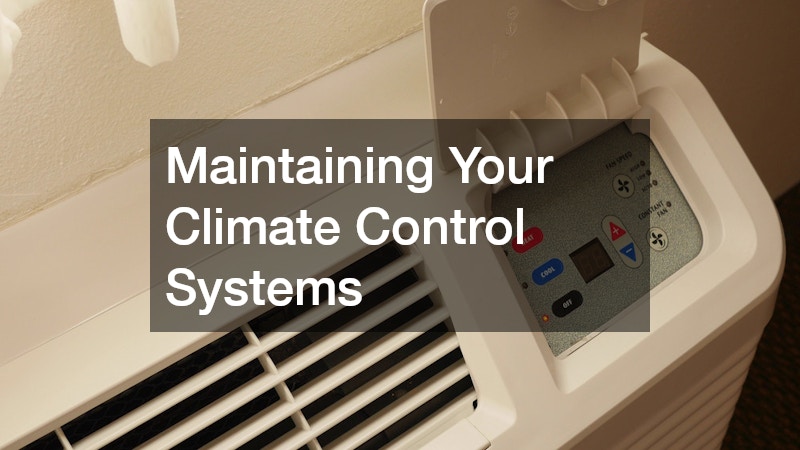
Climate control systems are essential for preserving indoor comfort throughout the year. They regulate temperature, humidity, and airflow, all of which directly impact health and energy costs. When these systems begin to underperform, you may notice symptoms such as inconsistent temperatures, reduced airflow, or unusual noises. These signs often indicate underlying problems that can worsen quickly if ignored. Seasonal maintenance ensures that the system remains efficient during periods of heavy use, especially summer and winter months.
Scheduling routine inspections and tune-ups from specialists who offer AC repair service is one of the most effective ways to extend the lifespan of your climate system. Professionals can identify duct blockages, worn belts, electrical malfunctions, or refrigerant leaks long before they escalate into major repairs. Many homeowners focus only on the indoor unit, but the outdoor system also requires cleaning and clearance around the compressor to ensure proper airflow. Even a small buildup of leaves or dirt can cause overheating.
In addition to professional care, homeowners should adopt basic maintenance habits such as:
- Replace air filters regularly to maintain proper airflow.
- Clearing debris around the outdoor unit for adequate ventilation.
- Keeping all vents open to prevent unnecessary strain on the system.
By incorporating these steps into your routine, you create a healthier, more efficient indoor environment while minimizing costly repairs.
Chimney and Fireplace Care
Chimneys play a crucial role in safely venting smoke, gases, and debris from fireplaces or heating appliances. Over time, creosote buildup, cracks, or structural damage can create serious safety hazards, including fire risk and carbon monoxide exposure. Even households that use their fireplaces infrequently can experience blockages caused by animals, fallen debris, or deteriorating materials. Regular inspections help ensure that the system remains functional and free from hazards.
Annual chimney repair services are essential for maintaining the structure’s integrity and ensuring proper airflow. A professional technician can evaluate the chimney liner, check for moisture penetration, examine the cap and flashing, and verify the overall structural stability. Moisture intrusion is a common issue and can lead to weakened mortar, mold growth, or brick deterioration. Proper chimney care also supports efficient heating by ensuring the fireplace operates with optimal drafting.
Homeowners can take simple preventive measures, such as:
- Checking the hearth area for soot buildup or unusual odors.
- Ensure the chimney cap is intact and fitted properly.
- Cleaning out the firebox and removing leftover ash regularly.
Investing in regular chimney care promotes safety, heating efficiency, and long-term structural stability.
Garage Door Functionality and Safety
Garage doors are used multiple times per day, yet many homeowners overlook their regular maintenance needs. These doors rely on a combination of springs, rollers, tracks, and electrical components, all of which experience wear over time. A malfunctioning garage door poses safety risks such as sudden closures, jammed tracks, and opener failure. Ensuring that all parts are well-maintained helps the door operate smoothly and safely.
Routine garage door repair not only prevents accidents but also extends the life of the door and its components. Garage door systems are under high tension, especially the springs, which can break unexpectedly if not serviced regularly. An annual inspection allows a technician to identify worn hardware, lubricate moving parts, test the automatic reversal function, and ensure proper alignment. These steps help reduce noise, prevent operational strain, and maintain long-term reliability.
Homeowners can also perform basic upkeep by:
- Listening for unusual grinding or scraping sounds.
- Cleaning tracks to remove dirt or hardened grease.
- Testing the safety sensors to ensure they stop the door when obstructed.
Proper garage door maintenance helps create a safer, smoother-operating system that supports security and convenience.
Roof Inspections and Repairs
Your roof is the home’s primary line of defense against the elements. Sun exposure, wind, rain, snow, and falling debris can all wear down roofing materials over time. Even a small leak can lead to mold growth, rotted wood, damaged insulation, or interior wall staining. Many roofing issues begin subtly, making regular inspections essential for preventing extensive damage.
Working with a reliable specialist in local roof repair ensures that any problems are identified early. A professional roofing contractor can assess shingle condition, flashing, gutters, ventilation, and structural integrity. They can also check for signs of storm damage, such as lifted shingles or punctures caused by debris. Roof damage often goes unnoticed until water penetration becomes visible, which is why scheduled inspections are crucial.
Supporting your roof’s health also involves basic maintenance tasks like:
- Removing leaves and debris from gutters.
- Checking attic ventilation to prevent moisture buildup.
- Inspecting the roof after major weather events.
Consistent roof care protects the entire home and helps avoid premature and costly roof replacements.
Window Maintenance
Windows are essential for natural light, ventilation, and home security. However, windows experience strain from temperature fluctuations, weather exposure, and routine operation. Damaged windows can lead to energy loss, moisture intrusion, or security concerns. Cracks, broken seals, or faulty locking mechanisms should be addressed promptly to maintain home comfort and safety.
Scheduling timely broken window replacement ensures that structural integrity is restored quickly. Even small cracks can spread due to pressure changes or thermal expansion. Replacing damaged panes also reduces drafts and prevents insects or moisture from entering the home. Modern window designs often offer improved insulation, which can enhance energy efficiency and reduce utility bills.
To maintain window longevity, homeowners should:
- Reapply caulking around frames when gaps appear.
- Inspect weatherstripping for deterioration.
- Clean tracks to ensure smooth opening and closing.
Proactive window care helps maintain curb appeal, indoor comfort, and long-term energy performance.
Maintaining Your Home’s Exterior Features

Caring for your home’s exterior elements not only ensures aesthetic appeal but also protects the structure from costly damage. Siding, exterior walls, trim, and paint all play a role in shielding your home against weather, pests, and moisture infiltration.
Exterior maintenance tasks include:
- Checking for peeling paint, cracks, or warping
- Inspecting for signs of moisture damage
- Sealing gaps around trim and joints
- Power-washing siding to remove mold, algae, and debris
Beyond these basics, homeowners should also evaluate the condition of caulking around windows and doors, as deteriorated sealant can allow drafts and moisture to penetrate exterior walls. Additionally, consider scheduling a full exterior inspection after severe storms or extreme temperature fluctuations. These conditions can cause subtle damage that isn’t obvious at first glance but may worsen over time.
Caring for Outdoor Spaces and Property Grounds
Your outdoor areas are an extension of your home and contribute significantly to the property’s overall value and functionality. From gardens and lawns to patios and walkways, proper care ensures these spaces remain safe, attractive, and usable.
To maintain your outdoor property effectively:
- Regularly mow, water, and fertilize the yard
- Remove weeds and trim overgrown landscaping
- Power-wash patios, decks, and walkways
- Inspect outdoor lighting for safety and accessibility
Expanding your outdoor maintenance routine can include creating designated areas for seasonal storage, optimizing irrigation systems to conserve water, and evaluating the drainage patterns throughout your yard. Poor drainage can result in standing water, which invites pests and damages soil quality. Professional landscaping services can help identify long-term solutions such as grading adjustments, retaining walls, or French drains.
Protecting Pathways, Walkways, and Driveways
Well-kept driveways and pathways support curb appeal and safe navigation around your home. Weather exposure, vehicle weight, and seasonal temperature changes can cause cracks, uneven surfaces, and deterioration.
Helpful steps include:
- Sealing small cracks early to prevent spreading
- Ensuring proper drainage so water doesn’t pool
- Removing ice and snow promptly
- Pressure washing to remove stains and debris
Homeowners should also perform tactile inspections—running a gloved hand along edges to feel for crumbling asphalt or spalling concrete. If the damage progresses, resurfacing becomes more cost-effective than repeated patching. A driveway paving company and a blacktop driveway contractor can assess whether resurfacing, patching, or full replacement will offer the best long-term performance based on age and condition.
Maintaining Home Security and Entry Points
Securing your home begins with maintaining entryways such as doors, locks, and windows. These points are common targets for wear and tear due to frequent use and exposure to the environment.
Pay careful attention to the following:
- Tightening loose door hinges and hardware
- Lubricating locks and deadbolts
- Replacing torn weather stripping
- Checking window seals for air leaks
For even stronger security and energy performance, consider installing reinforced strike plates, multipoint locking systems, or tempered-glass window panes. If you notice cracked or shattered panes, broken window replacement should be completed immediately to maintain both safety and energy efficiency. Additionally, periodically walking the perimeter of your home at night helps identify dark areas where improved lighting or motion sensors could deter break-ins.
Caring for Your Home’s Interior Systems

While exterior maintenance protects against outdoor elements, interior system upkeep ensures daily comfort and operational efficiency. These systems include electrical wiring, plumbing, HVAC units, and general appliances.
Your ongoing tasks may involve:
- Testing outlets and checking for signs of electrical wear
- Inspecting pipes under sinks for leaks
- Replacing appliance filters on schedule
- Cleaning refrigerator coils yearly
Scheduling professional service every year or two—such as an AC repair service for cooling concerns—can help identify hidden issues before they lead to major failures. Many homeowners also benefit from installing smart devices like leak detectors, HVAC diagnostic sensors, and energy-monitoring plugs, all of which provide real-time alerts when a system begins operating outside normal parameters.
Taking Care of Seasonal Maintenance Tasks
Each season creates specific maintenance requirements. Anticipating these changes helps prevent damage, reduce repair costs, and extend the life of various components of your home.
Spring:
- Inspect exterior walls and the roof after winter storms
- Clean gutters and downspouts
- Prepare landscaping and irrigation systems
Summer:
- Power-wash decks and siding
- Check for signs of insect activity
- Inspect cooling systems before peak heat
Fall:
- Rake leaves and clean the yard
- Prepare heating systems
- Seal air leaks around windows and doors
Winter:
- Clear snow and ice from walkways
- Prevent pipe freezing with insulation
- Check attic ventilation to reduce condensation
Seasonal tasks may also involve chimney repair or roof inspections to ensure your home is prepared for sudden temperature shifts and severe weather. Taking a proactive approach each season reduces your risk of emergency repairs during unpredictable conditions.
Preventing Water Damage Throughout the Home
Water intrusion is one of the most damaging issues a homeowner can experience. Preventing leaks, improving drainage, and monitoring moisture-prone areas helps protect structural components and personal belongings.
Key areas to monitor include:
- Basements
- Attics
- Bathrooms
- Rooflines
- Exterior faucets
Downspouts should extend at least five feet from the home’s foundation to ensure effective drainage. Regularly inspecting attic insulation for dampness and checking bathroom caulking for breaks can prevent moisture from spreading into walls. Larger structural issues often require expert foundation repair to address shifting soil, sinking slabs, or persistent leaks. Installing moisture meters or dehumidifiers can also help regulate humidity levels in vulnerable areas.
Planning Long-Term Home Care Strategies
A strategic long-term maintenance plan helps homeowners avoid expensive surprises and keeps the entire property functioning at peak condition. This approach includes setting priorities, creating budgets, and scheduling routine inspections.
Consider incorporating:
- A seasonal maintenance checklist
- Annual inspections for major systems
- A rotating improvement plan for exterior and interior spaces
- Estimated budgets for regular upkeep
Working with a trusted roofing contractor or other home service professionals builds a reliable network for both routine assessments and unexpected repairs. Many contractors also offer maintenance memberships or annual inspection packages, which can save money and ensure continuity of care from experts who understand your home’s history.
Maintaining every part of your home takes consistent effort but offers lasting rewards—from improved efficiency and comfort to greater long-term value. When you stay proactive, address issues early, and work with qualified professionals when necessary, your home remains a safe, dependable, and enjoyable place to live for years to come.