
Owning a home is one of the most significant financial investments most people will ever make. Yet, many homeowners adopt a reactive approach to property upkeep, waiting for a visible leak, a sagging ceiling, or a spiked utility bill before calling in professional help. This “if it isn’t broken, don’t fix it” mindset is one of the quickest ways to drain your equity and invite massive, unexpected repair bills.
Your home’s exterior serves as its primary defense shield against rain, extreme heat, freezing temperatures, and high winds. When this protective envelope is neglected, small wear-and-tear issues quietly transform into major structural damage. What could have been a quick, inexpensive touch-up can rapidly evolve into a complete teardown of underlying wood framing, insulation, and interior drywall.
Investing in expert exterior maintenance is not an unnecessary expense; it is a strategic financial tool designed to preserve capital. By implementing a proactive care strategy, you extend the lifespan of your property’s materials, optimize monthly energy efficiency, protect your insurance standing, and prevent catastrophic structural failures. This guide details how professional exterior maintenance keeps hard-earned money in your bank account over the long haul.
Early Hazard Detection: Fixing Small Issues Before They Escalate
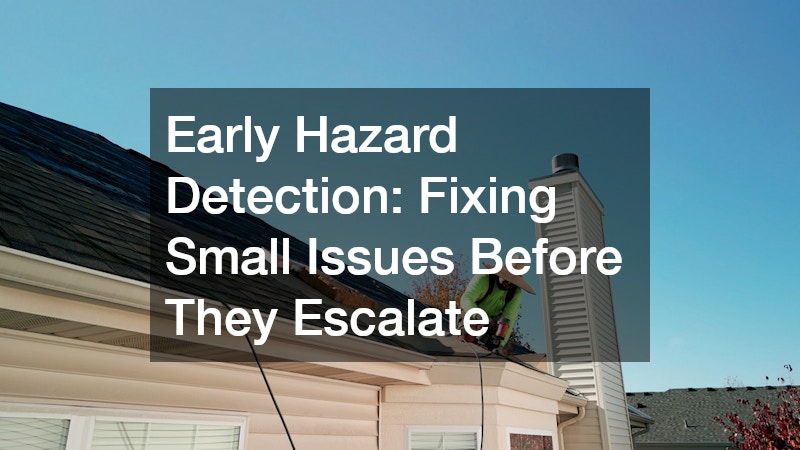
The most cost-effective maintenance intervention is always the one performed before symptoms become obvious indoors. Water is remarkably destructive, and by the time a stain appears on your living room ceiling, moisture has likely been rotting your roof deck, rafters, and insulation for months.
Conducting Bi-Annual Property Scans for Minor Surface Damage
Scheduling thorough property inspections in early spring and late autumn allows you to catch minor degradation caused by seasonal weather shifts. Professional inspectors know exactly where to look for subtle vulnerabilities that the untrained eye easily misses.
- Flashing Inefficiencies: Checking metal seals around chimneys, skylights, and vent pipes where sealant naturally cracks over time.
- Granule Loss: Identifying areas on asphalt surfaces where protective coatings have worn away, exposing the underlying felt to damaging ultraviolet light.
- Fastener Back-Out: Locating loose screws or nails that have lifted due to thermal expansion and contraction, creating direct entry pathways for water.
- Organic Growth: Spotting moss and algae accumulation that holds moisture directly against exterior surfaces, accelerating material breakdown.
Identifying these subtle issues early allows for targeted intervention. Investing in timely roof repair prevents minor surface compromises from spreading across entire structural sections.
Addressing Minor Weather Damage Immediately to Avoid Full Structural Overhauls
When severe weather strikes, even minor wind-blown debris or light hail can dislodge materials or crack protective seals. Leaving these small openings exposed to subsequent rainstorms creates an ideal environment for wood rot and toxic mold growth. Beyond structural wood decay, unaddressed water infiltration can seep into electrical conduits, creating serious fire hazards and tripping breakers throughout your home. Furthermore, ambient indoor moisture levels rise, forcing your air dehumidification systems to work overtime while accelerating the deterioration of expensive interior trim and wall coverings.
When structural framing stays saturated, it loses its load-bearing capacity, leading to sagging rooflines that require extensive bracing and jacking to straighten. Beyond structural wood decay, unaddressed water infiltration can seep into electrical conduits, creating serious fire hazards and tripping breakers throughout your home. Furthermore, ambient indoor moisture levels rise, forcing your air dehumidification systems to work overtime while accelerating the deterioration of expensive interior trim, cabinetry, and wall coverings.
Taking advantage of routine maintenance and professional roofing services keeps small vulnerabilities isolated. Patching a single damaged seam or replacing a handful of compromised shingles costs a fraction of what you would pay to rebuild decayed plywood decking, replace saturated attic insulation, or remediate dangerous mold inside wall cavities.
Thermal Efficiency: Lowering Monthly Utility Costs Through Exterior Seals
Exterior maintenance isn’t just about keeping water out—it’s also about keeping conditioned air in. A compromised building envelope acts like a sieve, allowing expensive heated or cooled air to escape while pulling in harsh outside air.
Sealing Building Envelopes to Eliminate Hidden Air and Thermal Leaks
Your attic space acts as the primary thermal buffer for your entire house. When air leaks exist along the roofline or within attic floor cavities, your heating and cooling systems must work continuously to maintain comfortable indoor temperatures, causing utility bills to skyrocket and accelerating mechanical wear on your HVAC system.
- Draft Elimination: Sealing air gaps around access hatches, recessed light fixtures, and exterior wall top plates.
- Moisture Management: Ensuring proper baffle placement so air flows freely from soffit vents to ridge vents without creating damp spots.
- Thermal Barrier Consistency: Re-leveling settled material and filling empty gaps to maintain an unbroken insulating blanket.
Upgrading your home’s thermal envelope with professional insulation installation minimizes heat transfer through the upper structure. This reduces your HVAC unit’s daily run time, lowering monthly energy expenses and delaying costly HVAC equipment replacements.
Upgrading Overhead Materials to Lower Heat Absorption and Cooling Loads
Standard dark roofing materials absorb tremendous amounts of solar radiation, transferring heat directly down into your living spaces during warm summer months. Modern, highly reflective materials act as a radiant barrier, bouncing solar energy away from the building.
These high-efficiency systems utilize specialized factory coatings engineered to radiate thermal energy back into the atmosphere rather than storing it within your home’s framing. Over the lifespan of the structure, preventing thermal heat buildup protects attic-mounted ductwork from expanding and splitting, ensuring your HVAC system delivers precise temperatures without loss.
Transitioning to high-performance metal roofing drastically reduces solar heat gain. These durable systems reflect sunlight rather than absorbing it, lowering attic temperatures by up to 50 degrees Fahrenheit during peak summer heat. Over decades of service, these energy savings yield substantial financial returns while offering superior wind and fire resistance.
Navigating Insurance and Documentation for Storm Protection
When severe storms cause unavoidable damage, your home insurance policy is meant to serve as a financial safety net. However, securing a fair payout requires proving that the damage was caused by a sudden storm event rather than chronic owner neglect.
Building a Comprehensive Property Maintenance Log for Insurance Claims
Insurance adjusters are trained to distinguish between fresh storm impacts and pre-existing wear caused by deferred maintenance. If an insurance company determines that a leak occurred because a homeowner ignored years of obvious degradation, they can legally deny coverage.
- Document Everything: Maintain a dedicated physical or digital folder containing receipts, inspection reports, and invoices for all exterior maintenance work.
- Take Baseline Photos: Capture clear, high-resolution photographs of your entire exterior once a year to establish its undamaged, pre-storm baseline condition.
- Log Post-Storm Inspections: Have a professional inspect and photograph exterior surfaces immediately after major wind or hail events to document new damage right away.
Having a clean history of professional maintenance makes filing a roofing claim seamless and straightforward. When you can present documented proof that your property was in excellent condition prior to a storm, insurance adjusters have little grounds to deny or reduce your claim payout.
Vetting and Partnering With Qualified Exterior Specialists

Not all exterior work provides an equal return on investment. Attempting DIY repairs on high-elevation structures or hiring unlicensed, bargain-rate handymen often leads to improper installation, voided manufacturer warranties, and premature material failure.
Selecting Licensed Trade Professionals to Avoid Costly Workmanship Errors
Exterior installations require precise technical knowledge regarding water shedding, wind uplift mechanics, and thermal expansion gaps. Cut-rate installers frequently skip essential steps—such as installing ice and water shields in valleys or using correct nail patterns—to save time and cut costs.
- Licensing Verification: Ensure your contractor holds active, state-standard trade licenses and carries comprehensive general liability insurance.
- Worker’s Compensation Protection: Verify that all crew members are fully covered under worker’s compensation policies so you aren’t held liable for job-site injuries.
- Manufacturer Certifications: Hire contractors certified directly by material manufacturers, as this unlocks extended factory-backed labor and material warranties.
Partnering with an established roofing contractor ensures that every installation step strictly adheres to local building codes and manufacturer specifications. Working with proven residential roofers gives you confidence that your investment is fully protected by legitimate warranties and expert workmanship.
Strategic Capital Upgrades: Knowing When to Stop Repairing and Replace
While routine maintenance extends the life of exterior materials, every system eventually reaches the end of its functional lifecycle. Attempting to continuously patch a severely aged, deteriorated system is a classic case of throwing good money after bad.
Evaluating System Lifespans to Time Major Upgrades Correctly
Continuing to pay for frequent repairs on an old, failing surface quickly exceeds the cost of a modern, warrantied installation. Knowing when to transition from ongoing maintenance to a full structural overhaul saves thousands in cumulative piecemeal repair bills.
Old materials also lose their structural flexibility, meaning simple foot traffic during small patch jobs can fracture surrounding weathered components, accidentally creating new leaks elsewhere on the structure. Investing in a clean sweep restores total structural balance and protects surrounding architectural trim.
- The 50% Rule: If the cost of necessary repairs exceeds half the price of a brand-new installation, replacement is almost always the smarter financial choice.
- Widespread Degradation: When material failure occurs across more than 30 percent of the total surface area, localized fixes will no longer hold.
- Repeated Structural Leaks: Persistent leaks in multiple locations indicate that the underlying underlayment has completely broken down.
When ongoing maintenance can no longer protect your property, investing in a complete roof replacement eliminates recurring repair expenses. Executing a full teardown down to the structural decking allows technicians to inspect wood sheathing, install modern ice and water barriers, and execute a flawless roof installation that delivers decades of maintenance-free protection.
Integrating Clean Energy Systems With Modern Roof Upgrades
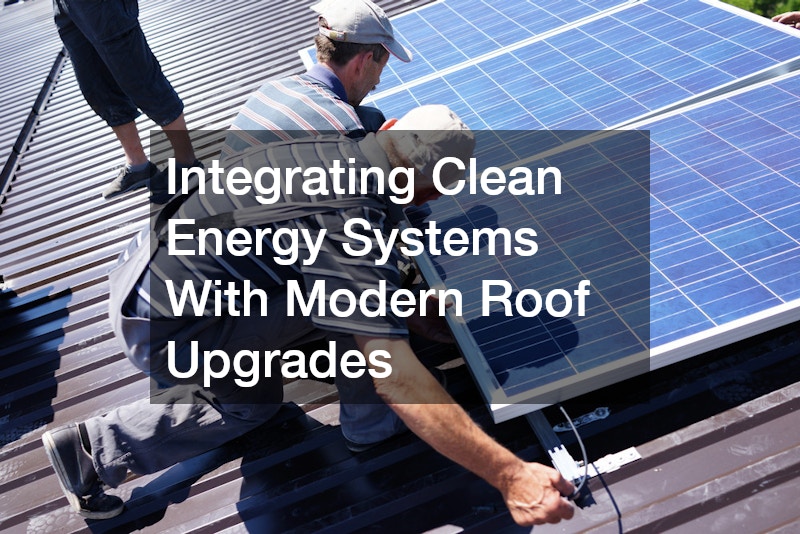
As homeowners look for additional ways to reduce monthly operating expenses, renewable energy systems have become a popular property upgrade. However, mounting heavy solar equipment onto an aging or poorly maintained exterior structure can lead to severe financial headaches down the road.
Preparing Exterior Structures for Renewable Energy Equipment
Solar panel arrays are designed to remain in place for 25 to 30 years. If you install solar hardware on an old surface that needs to be replaced five years later, you will have to pay thousands of dollars extra just to have the solar array dismantled, stored, and reinstalled during the structural work.
- Structural Integrity Checks: Confirming that underlying rafters and trusses can support the combined dead load of exterior materials and solar mounting racks.
- Timeline Alignment: Timing your solar installation to coincide with a new exterior surface installation so both systems age on identical schedules.
- Warranty Matching: Ensuring solar mounting brackets do not penetrate or void existing surface warranties.
In addition to timing, integrating high-grade flashings and heavy-duty mounting hardware during the initial installation creates a watertight seal that survives thermal movement. This seamless mechanical integration prevents micro-gaps from forming around roof penetrations, eliminating hidden moisture pathways beneath the array.
By taking a holistic approach to energy integration, homeowners can maximize clean power output while protecting the structural envelope from premature wear.
Coordinating your clean energy transition with an experienced solar contractor ensures that mounting points are properly flashed, sealed, and integrated into your property’s primary drainage plane. This unified approach prevents water intrusion around mounting hardware while maximizing solar energy production and utility savings.
Additionally, a professional contractor will assess your roof’s structure and orientation, optimizing the installation for maximum sun exposure. Regular maintenance and inspections can further enhance system longevity and efficiency, allowing you to enjoy the benefits of renewable energy for years to come. Investing in quality installation not only supports your sustainability goals but also contributes to the overall value of your property.
Conclusion
Proactive exterior maintenance is a proven financial strategy that protects your home, lowers monthly living expenses, and preserves long-term property equity. Waiting for exterior components to fail before taking action guarantees higher repair costs, unexpected structural damage, and stressful emergency disruptions.
By scheduling regular professional inspections, addressing minor weather wear immediately, optimizing thermal insulation, and keeping detailed maintenance records, you turn your home’s exterior into an efficient, durable shield. Partnering with qualified, licensed trade specialists ensures every dollar you spend yields maximum longevity, safety, and energy performance.
Every dollar invested in expert preventative maintenance saves multiple dollars in avoided emergency repairs, water damage restoration, and premature system replacements down the road. Take control of your property’s upkeep today, and enjoy the peace of mind that comes with a secure, highly efficient, and fully protected home.