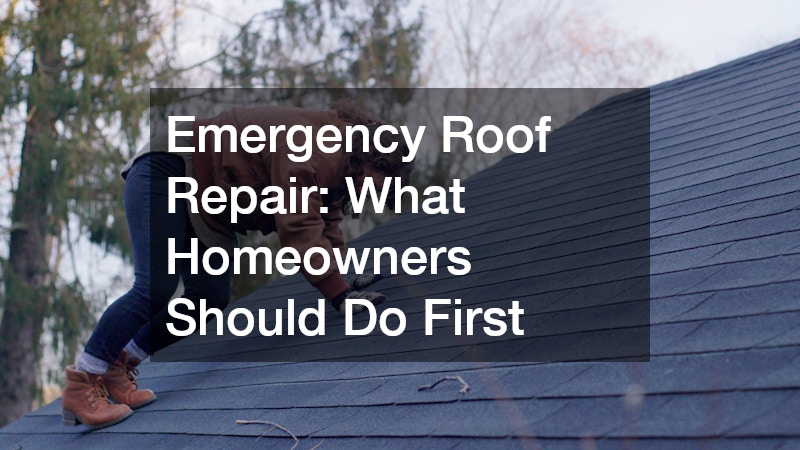

Dealing with emergency roof repairs can be a daunting task for homeowners. This article aims to guide you through the essential steps to take when facing roof-related emergencies, ensuring your safety and the security of your home. Roof damage is often unexpected and can create a range of problems, from leaks to structural issues. By understanding the correct actions to take, you can prevent further damage and reduce stress associated with emergency repairs.
The following sections will provide detailed insights, from identifying damage to choosing the right contractor.
How to Identify Roof Damage
Visible Signs of Roof Damage
Roof damage can often be identified through visual inspection. Look for missing shingles, visible roof sagging, or broken tiles. These are the primary indicators that your roof may require immediate attention. Additionally, moss and algae growing on your roof can suggest trapped moisture, further indicating potential damage. Observing the roof closely can sometimes reveal buckling or curling shingles, which are common signs of wear and deterioration.
Common Causes of Roof Leaks
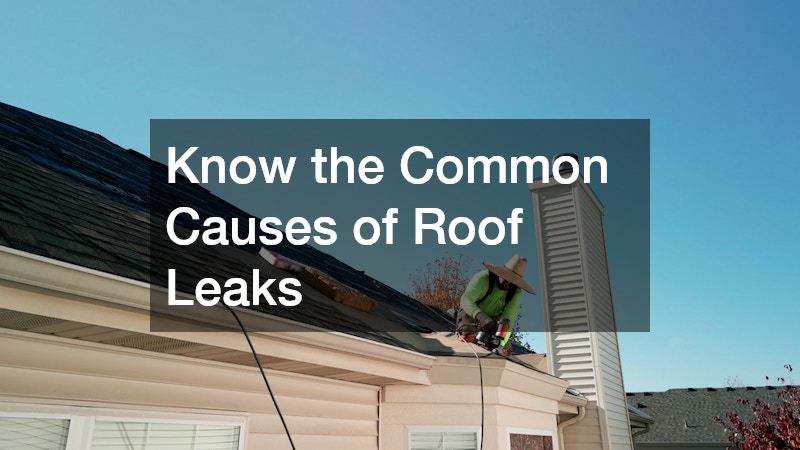
Roof leaks are a common result of weather-related damages. Heavy storms, ice dams, and high winds can all compromise roofing integrity. Another frequent culprit is poor flashing installation, which may leave vulnerable areas susceptible to water intrusion. Gutters clogged with debris can exacerbate leak issues by allowing water to infiltrate under the shingles. It’s crucial to regularly check these points to prevent leaks and the subsequent interior damage they can cause.
Assessing Interior Water Damage
Checking for water stains on ceilings and walls can help assess interior damage. Discoloration on these surfaces usually indicates a roof leak. Additionally, feel for any texture changes, as moisture can make materials feel soft or spongy. Musty odors inside your home often suggest mold growth, which can occur with long-term moisture exposure. Identifying these signs early can prevent extensive structural damage and costly repairs.
When to Call a Professional
Not all roof issues require immediate professional intervention, but some situations do. Large amounts of missing shingles, substantial leaks, or visible damage post-storm suggest it’s time to call in an expert. Professionals have the skills and tools necessary for safe and effective roof assessment and repair. Ignoring significant damages due to cost fears can lead to much more expensive issues down the line. It’s always better to consult an expert if you’re unsure about the severity of the damage.
Tools and Equipment for Safe Inspection
Performing a roof inspection requires proper tools and safety equipment. Always use a sturdy ladder to access the roof safely, ensuring it is on a flat, stable surface. A pair of binoculars can help you inspect hard-to-reach areas without risking a fall. Wearing appropriate footwear with good grip is critical when walking on the roof itself. Safety harnesses also provide additional protection against slips and falls during detailed inspections.
What to Do Immediately After Roof Damage
Protecting Your Interior
Once you notice roof damage, prioritize protecting your home’s interior. Move any belongings away from compromised areas to prevent them from water damage. Use buckets to catch leaking water and protect floors and furniture. Placing plastic sheeting around the exposed interior can help safeguard against further water encroachment. The goal is to minimize disruption and preserve property until repairs can be made.
Temporary Fixes
Implementing temporary fixes can mitigate the immediate impact of roof damage. Roof tarps are a quick solution to cover any gaps and prevent further water entry. Secure the tarp with roofing nails and ensure it overhangs the damaged area to redirect water effectively. Roofing sealants with silicone bases can also provide a temporary barrier against small leaks or cracks. However, remember these are only interim measures until professional repairs are complete.
Documenting the Damage
Documenting the roof damage immediately is essential, especially for insurance claims. Capture detailed photos and videos of both the damage and the surrounding area before making any changes. Annotate each image with the date and brief notes about what is depicted. Collect records of any communications or attempts to safeguard the property before professional help arrives. Thorough documentation aids in insurance assessments and streamlines the repair process.
Contacting Emergency Services
If the roof damage is severe or safety is compromised, contacting emergency services is critical. They can provide assistance with evacuation, or secure the property to prevent further hazards. Fire departments may offer temporary covering solutions as part of their damage control services. Emergency responders can also assess the structural integrity and advise on the next steps. Don’t hesitate to reach out if there’s even a slight risk to life or property.
Communicating with Your Insurance
Notify your insurance provider as soon as you identify roof damage. They will likely require comprehensive documentation and might send an adjuster to assess the situation. Provide honest, clear accounts of the damage and any steps you have taken so far. Understanding your policy and what is covered under emergency repairs can expedite the claims process. Open communication with your insurance company ensures that you receive the financial support needed for repairs.
Cost-Effective Temporary Repairs
DIY Tarping Methods
DIY tarping methods can effectively prevent water damage while awaiting permanent repairs. Secure the tarp tightly over the damaged area, ensuring no water can get beneath it. Use a staple gun or heavy-duty tape to adhere the tarp edges tightly. Sandbags or weighted blocks can provide additional security, preventing wind from displacing the tarp. Always prioritize safety by enlisting help when handling larger tarps or working on steep angles.
Using Roofing Sealants
Roofing sealants can be another cost-effective temporary repair solution. Apply a generous bead of sealant to cracks or small openings to create a waterproof barrier. Silicone-based sealants are often preferred for their durability and flexibility. Remember to clean and dry the area thoroughly before application for the best adhesion. While not a replacement for professional repair, sealants can significantly reduce damage progression.
Shingle Replacement Strategies
Temporarily replacing loose or missing shingles can protect your roof until professional repair is possible. Choose like-for-like replacements, matching the material and color as closely as possible. Carefully remove any damaged shingles, then slide the replacement into place, securing it with roofing nails. Sealant around the edges will help to ensure a watertight finish. While simple enough for a DIY job, replacement should be approached with caution and proper safety measures.
Cost Alternatives for Materials
Finding cost-effective materials for temporary repairs can reduce expenses significantly. Purchasing tarps and sealants in bulk can lower unit prices. Second-hand stores or excess stock retailers often provide discounts on roofing tiles and supplies. Consider collaborating with neighbors for bulk purchases, splitting costs for mutual benefit. Recycled materials may also provide a viable solution if local vendors offer them.
Pros and Cons of Temporary Fixes
While temporary fixes can be crucial, they do have pros and cons. The main advantage is the immediate protection against elements and further damage, offering peace of mind. They are typically more affordable and quicker to implement than permanent solutions. However, these fixes should not replace professional assessment and repair, as they may not fully resolve the issue. Over-reliance on temporary measures can lead to worsening damage and increased long-term costs.
Insurance and Emergency Roof Repairs
Understanding Your Homeowner’s Policy
Familiarity with your homeowner’s insurance policy is vital when facing roof repairs. Every policy will have specific clauses related to damage coverage and repair processes. It’s crucial to understand what is covered under “act of God” provisions, and whether negligence or improper maintenance could void your claims. Knowing your deductible and coverage limits for roof damages can help plan financially. Detailed knowledge ensures you can navigate the claims process smoothly and avoid unexpected expenses.
Filing an Insurance Claim
When filing an insurance claim, detailed documentation and prompt action are key. Informing your insurer immediately about the damage initiates the claims process. Complete any forms accurately and supply supporting evidence, such as photographs, videos, and professional assessments. Prompt submissions can expedite adjusters’ evaluations and processing times. Maintain transparency throughout the dialogue to nurture trust and ensure comprehensive coverage.
Documentation Required by Insurers
Insurers require precise documentation to process roof damage claims efficiently. Provide comprehensive photographic evidence of all affected areas, both internally and externally. Gather previous maintenance records to demonstrate regular upkeep. Compile communication logs with contractors or emergency personnel if immediate repairs were undertaken. This thorough record-keeping aids insurers in preliminary assessments and substantiates every aspect of the claim.
Negotiating with Insurance Adjusters
When negotiating with insurance adjusters, preparation is your best ally. Approach discussions meticulously, outlining all damages with clear, factual backing. Leverage detailed documentation to argue discrepancies in assessed coverage modestly. Insurers may counterinitial claims, so understanding negotiation and compromise is part of the process. Staying informed allows homeowners to persuasively uphold the legitimacy and requirements of their claim.
Long-term Coverage Considerations
Long-term considerations around insurance coverage hinge on proactive strategies. Adjust coverage plans after changes in your home, like renovations, to maintain adequate protection. Regular roof inspections and maintenance records can negotiate lower premiums by demonstrating reduced risk. Being diligent with claims can also prevent future complications. Conscious engagement ensures comprehensive coverage remains tailored to evolving needs and risks.
Finding a Trusted Roofing Contractor
Qualities of a Reliable Contractor
A reliable roofing contractor is essential for effective repairs. Look for professionals with vast experience and a solid reputation in handling emergencies. They should offer comprehensive services from inspection to roof replacement if necessary. A trustworthy contractor will also ensure transparency, providing detailed estimates and warranty information for work done. Consistent communication and respect for your property are further qualities that denote professionalism.
Researching Local Contractors
When researching local contractors, begin with personal referrals and online reviews. Family, friends, and neighbors can provide detailed insights about contractors they have engaged with. Online platforms like Better Business Bureau or trade-specific websites offer reviews and ratings to assess consumer satisfaction. Verification of credentials and licensing should be part of this research. Comparing multiple sources builds a clearer picture of a contractor’s reliability and skills.
Reading Reviews and Testimonials
Customer reviews and testimonials give firsthand insight into a contractor’s reliability and work quality. Prioritize recent and verified reviews to get a trustworthy indication of service standards. Negative reviews should be examined for patterns or sincere resolutions offered by the company. Testimonials can often be found directly on contractors’ websites, but verifying them via third-party sources is advised. Genuine feedback enables selection of a contractor capable of meeting emergency repair needs effectively.
Questions to Ask Potential Contractors
Interviewing potential contractors requires targeted questions. Ask about their experience with situations similar to yours and the timeline they estimate for your repairs. Clarify costs, the necessity of permits, and their policy on unexpected issues. Inquiring about warranty coverage and subcontractor usage is also pertinent. Engaging thoroughly ensures all aspects are covered, establishing clarity and expectations from the outset.
Verifying Licenses and Insurance
Prioritizing a contractor’s licensing and insurance is crucial to avoid liabilities. Verify their licensing with local authorities to confirm credentials and certifications are current. Additionally, confirm that the contractor carries adequate insurance, covering both general liability and worker’s compensation. Request proof and contact their insurers to confirm active coverage. This due diligence protects homeowners from potential legal or financial issues arising from work incidents.
While emergency roof repairs can be stressful, being prepared with the right information and strategies can significantly mitigate damage and expense. By following the outlined steps, homeowners can ensure both immediate and long-term solutions to any roofing emergencies they may face. Remember, safety comes first, so never hesitate to reach out for professional help when necessary. With a proactive approach and thorough documentation, dealing with unexpected roof issues can be a manageable experience. The key to minimizing damage lies in prompt action and informed decision-making.