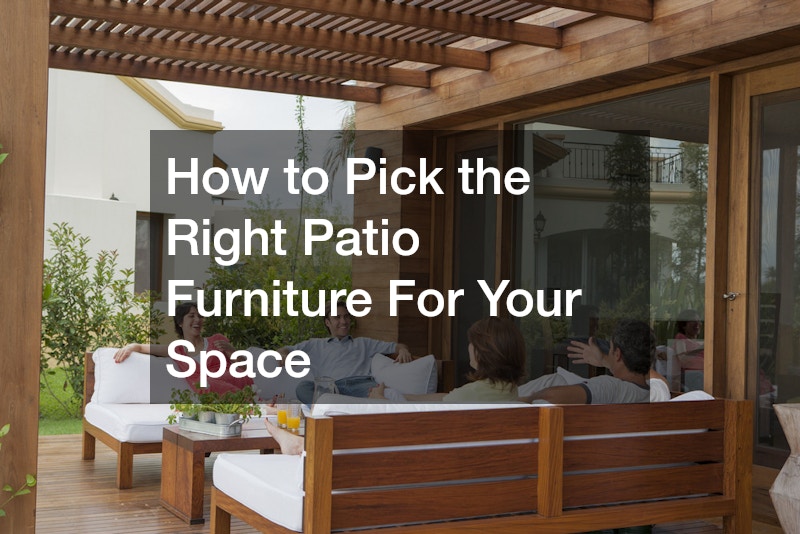

Choosing the right patio furniture can greatly enhance the comfort and aesthetic of your outdoor space. In this article, we will explore how to make the best choices for your patio based on various factors. Whether you’re designing a small balcony or a spacious backyard, selecting furniture that meets your needs is essential.
By considering material, size, and style, one can transform even the simplest outdoor area into a functional and beautiful retreat. Let’s delve into the essential elements that will lead you to the perfect patio furniture for your space.
What Types of Materials are Best for Patio Furniture?
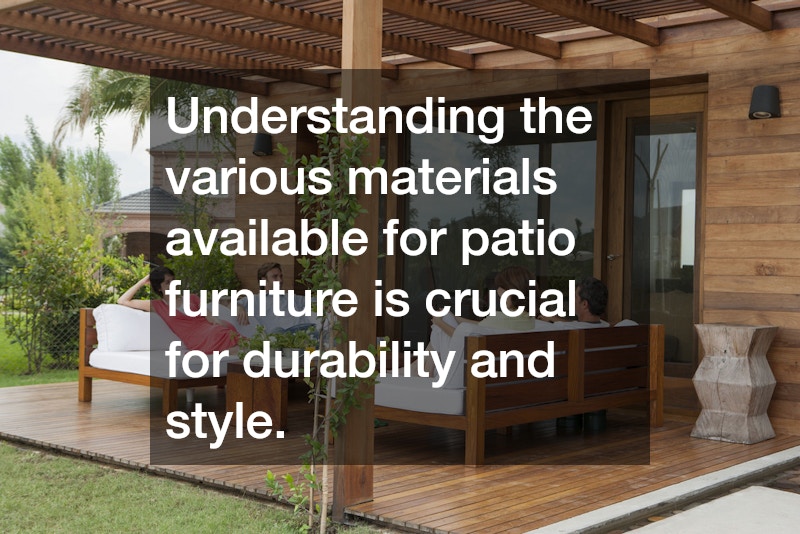
Understanding the various materials available for patio furniture is crucial for durability and style. Common materials include wood, metal, plastic, and wicker, each offering different levels of resilience to the elements. For instance, teak is a popular choice due to its natural resistance to water and termites, making it ideal for outdoor settings. When selecting materials, consider how much exposure your patio has to sun, rain, and wind, as these factors can significantly affect the longevity of different materials. The right choice will blend beauty with practicality, ensuring your furniture stands the test of time.
Wooden patio furniture adds warmth and character to any space, offering a classic and timeless appeal. Hardwoods like teak and eucalyptus are favored for their rich aesthetic and strong endurance against weathering. However, they do require regular maintenance, such as sealing and refinishing, to maintain their appearance over time. Metal furniture, on the other hand, is strong and can come in decorative designs but may require treatment to prevent rust, particularly in coastal areas. For a lightweight and affordable option, plastic furniture offers a wide range of colors and styles while being easy to clean and maintain.
How to Determine the Right Size of Patio Furniture for Your Space?
Choosing the right size of furniture that fits well within your patio layout is essential for functionality and comfort. Start by measuring your outdoor space, considering any architectural features or landscaping that may impact its layout. For small balconies, compact bistro sets or foldable furniture maximize space, while larger areas can accommodate sectionals or dining sets. It’s important to allow for movement around your furniture, ensuring there is enough space to walk freely and accommodate guests comfortably. In essence, appropriate sizing balances scale with proportion, creating an inviting setting that complements your outdoor environment.
To optimize space, consider multi-functional pieces that serve multiple purposes, such as a bench with built-in storage or a table with an adjustable height. These smart solutions can enhance usability without overcrowding the area. Remember, creating clear pathways and keeping entries unobstructed enhances accessibility and flow, vital for outdoor entertaining. Visual balance is key, as oversized furniture in a small space can feel cramped, while sparse furnishing in a large area may appear underwhelming. Measurements should include seating furniture dimensions but also allow for outdoor accessories such as planters, umbrellas, or a grill.
If your patio area is adjacent to your home, align the furniture arrangement with interior design elements to create a seamless outdoor extension. Utilize rugs to define spaces, especially in open areas, which can help in creating an intuitive layout. Incorporating modular furniture designs offers flexibility, allowing pieces to be adjusted or expanded to meet evolving needs and guest numbers. By carefully assessing the size and layout, not only do you ensure efficient use of the space, but you also craft a setting that is both functional and aesthetically harmonious.
What Styles of Patio Furniture Fit My Personal Aesthetic?
Exploring various styles can help you select patio furniture that reflects your taste while complementing your outdoor environment. Consider whether you gravitate toward rustic, modern, vintage, or eclectic styles, as this will guide your choices. For instance, if you adore sleek lines and minimalistic designs, modern patio furniture might enhance your outdoor space with a contemporary flair. Alternatively, those who appreciate intricate detailing might favor vintage or antique pieces that bring a sense of history and charm. Personalizing your patio space involves selecting furniture that resonates with your individual style while maintaining a cohesive aesthetic.
The color palette is another important element to consider when choosing patio furniture. Neutral tones like beige, gray, and white create a calm and serene environment and are great backdrops for colorful accessories like cushions or decorative items. Bold colors, such as reds and blues, make a statement and add energy, looking particularly vibrant in sunny settings. The terrain and natural surroundings should also influence the choice of colors and materials to maintain harmony with the landscape. Additionally, consider materials’ finishes, like matte for a subtle look or gloss for a chic finish, to best express your style preferences.
Finding the perfect patio furniture involves careful consideration of materials, size, and style. By answering the most common questions, you can create a harmonious and inviting outdoor space. Evaluate the durability and maintenance needs of various materials to ensure long-lasting use. Consider the size and layout of your space while keeping comfort and flow in mind. Finally, choose a style that reflects your personal aesthetic, using color and accessories to enrich the overall design. With thoughtful decisions, your patio can become a cherished extension of your home, offering a perfect retreat for relaxation and entertaining.