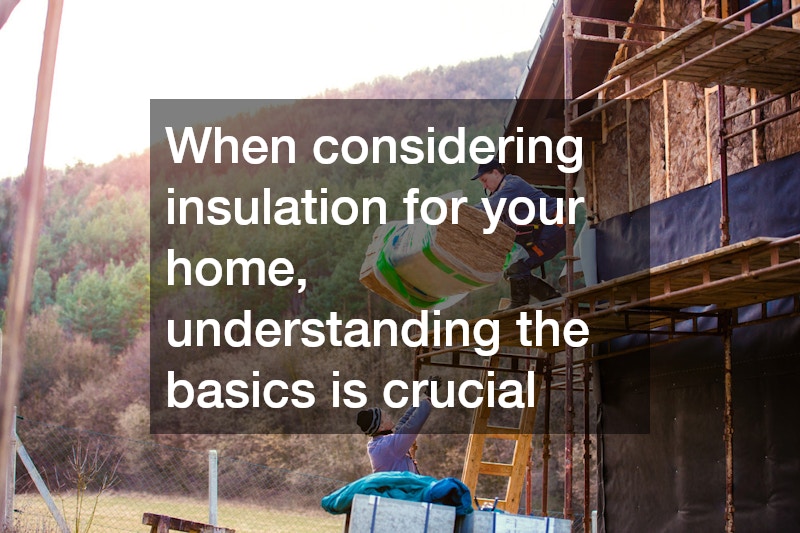

When considering insulation for your home, understanding the basics is crucial. It is not just about keeping your house warm in winter and cool in summer; insulation plays a key role in energy efficiency and reducing utility bills. Consulting an insulation professional can provide insights into the best practices and materials suited for your home’s specific needs. You may wonder, “What types of insulation do you recommend, and why?” Your insulation professional will be able to explain the advantages and disadvantages of various materials such as fiberglass, foam, and cellulose.
It’s also wise to ask about the R-value, which indicates the effectiveness of the insulation material. A higher R-value means better thermal resistance, thus potentially more savings in energy bills. The professional should explain how the climate of your region and the specific areas of your home might affect the R-value needed. Understanding this can help you make informed decisions about which material and installation process is best. In addition, knowing about potential rebates or credits for energy-efficient insulation can be beneficial.
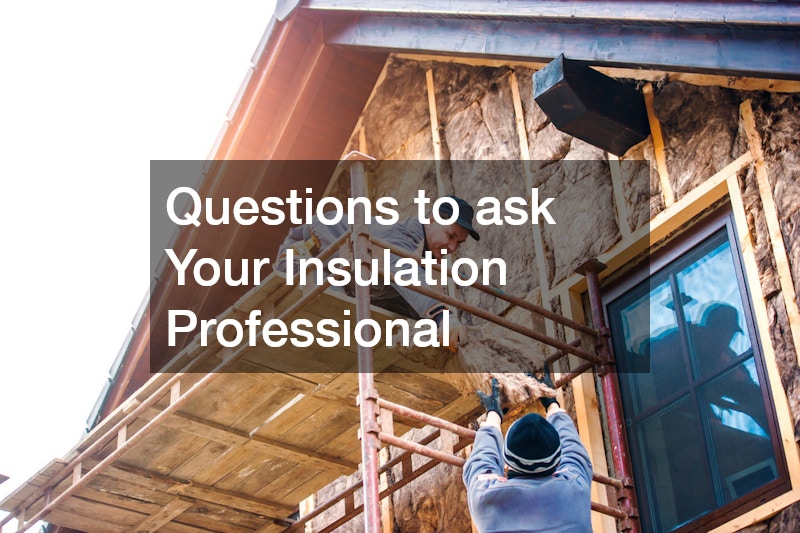
Another important aspect is the installation process itself. You should ask, “How is the installation performed, and what should I expect?” This can help you understand the time frame for the project and any preparatory steps you need to take. It’s also essential to ensure that the installation will be done by certified professionals, which can help avoid problems in the future. Knowing how installation is handled can also help you assess the overall cost and budget accordingly. Reliable insulation professionals will provide a detailed breakdown and guide you through the installation process, ensuring transparency.
Evaluating Costs and Benefits
Understanding the costs associated with insulation is essential for making an informed decision. When engaging with an insulation professional, it is crucial to ask, “What are the total costs involved in insulating my home?” Knowing the breakdown of costs, including the material, labor, and any potential additional expenses, helps in budgeting. Moreover, an experienced professional can give insights into the long-term financial benefits, like energy savings that offset initial costs. This conversation is critical to ensuring both affordability and value for your investment.
In addition to cost, it’s important to discuss the benefits of different insulation types. Ask your insulation professional about the expected reduction in energy bills and the potential increase in home value. By understanding these aspects, you gain a clearer picture of the return on investment. Moreover, different types of insulation can offer varying levels of soundproofing and air quality improvement, influencing your decision. An informed choice contributes significantly to both comfort and financial gain over time.
Maintenance and longevity are also key factors to discuss with your insulation professional. Inquire, “What maintenance does this type of insulation require and how long will it last?” Durable and low-maintenance insulation can mean less hassle and unexpected costs in the long term. Asking about warranty and customer support options can also be beneficial. This ensures peace of mind, knowing that your investment is safeguarded by reliable service and guarantees.
Exploring Eco-Friendly Options
For eco-conscious homeowners, exploring environmentally friendly insulation options is crucial. Engage with your insulation professional by asking, “Which eco-friendly insulation materials do you recommend?” Natural materials like sheep wool, recycled cotton, or spray foam insulated from eco-friendly sources can be excellent options. These choices not only reduce carbon footprints but also improve indoor air quality. Knowledgeable professionals can guide you in balancing efficiency with sustainability effectively.
Beyond materials, consider installation processes that adhere to green construction practices. Discuss with your insulation professional the methods they employ to minimize waste and conserve resources. This can include the use of energy-efficient tools or recyclable packaging. Moreover, inquire about any certifications or standards they adhere to, such as LEED or Energy Star, ensuring sustainable practices. These conversations can ensure that your insulation project aligns with broader environmental objectives.
Engaging with an insulation professional is not just about addressing a practical need, but also about making informed choices for the long-term health and efficiency of your home. By asking the right questions, you can ensure that your insulation choices align with your financial, environmental, and comfort goals. The knowledge and guidance from a qualified professional can help navigate the complexities of insulation options and processes. In turn, this contributes to creating an energy-efficient, comfortable, and environmentally responsible home. Partner with your insulation professional to explore all possibilities, ensuring a decision that you and future generations can be proud of.